

Autocratic Vistas
We tested Trump’s statements about the war in Ukraine against our Trump Logic Generator. Peace was promised and caveated but (surprise!) the war continues.

An unearthed David Berman interview from 2003
Poet and songwriter David Berman died six years ago this week. I considered him a friend, or, at least, someone who would, if I got in touch, call or write me back. Eventually.
After he committed suicide, I realized just how generous he had been with his time and attention, because so many people considered him the same kind of friend as I did.
“I’ll Never Put on a Life Jacket Again”: The USS Indianapolis, Jaws, and How to ID a Body
By Sunday, August 5, 1945, there were only the dead left. Three hundred and twenty people had been rescued, the only survivors from the nearly twelve hundred crew members who had sailed from San Francisco on the USS Indianapolis three weeks earlier. The bodies remaining in the water were in such a state of decomposition that many weren’t more than skeletons and skin, barely held together by the straps of their life vests.
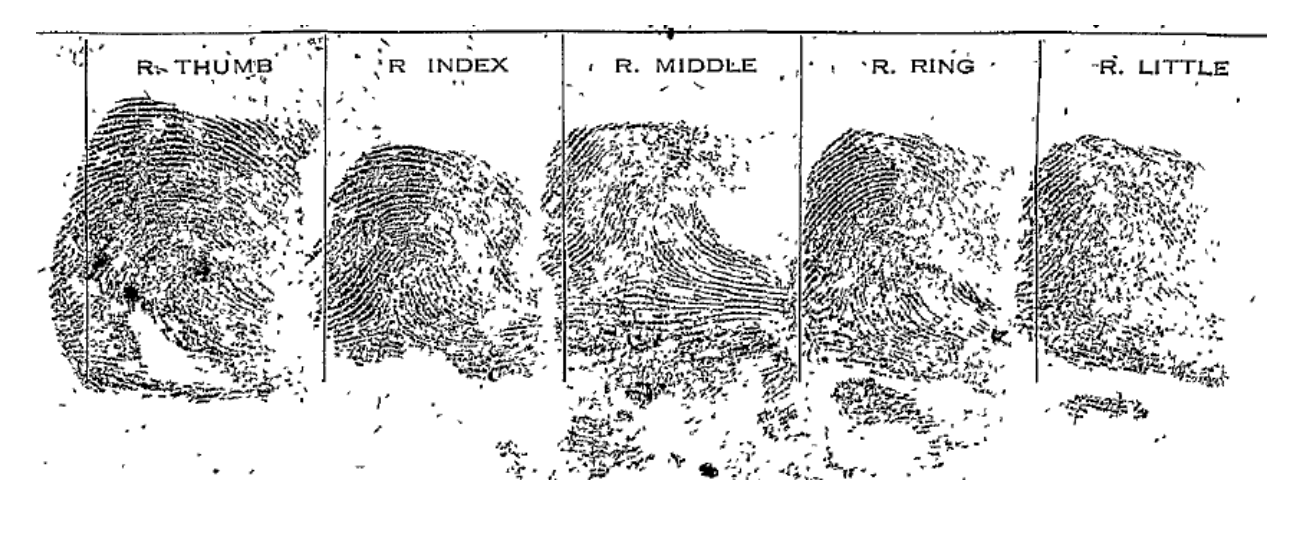
The USS Helm, one of the rescue and recovery ships, noted in its log that faces were impossible to recognize, and most of the remaining skin on the bodies was so bloated, lacerated, and bruised that the Helm’s medical crew could only peel what skin they could off the hands of the dead to take below deck and dehydrate -- the only way to get legible fingerprints. These partial, mangled markings were how many of the bodies were finally formally identified, cross-referenced with Naval intake forms. By the time the sun began to set that Sunday evening, the Helm had already hauled in 18 bodies. They would bring in ten more before ending their mission on account of darkness, but at 7:40PM, according to the ship’s record, they hauled up Body 19.
That was my grandfather.

The MAGA ‘Foreign Agent by Association’ Plan for Climate Groups
This summer has been the opening act of a MAGA policy offensive integrated with a catchy conspiracy narrative that, if left unchecked, could have dire consequences for progressive advocacy groups. It’s all about finding “viral” proof of guilt by association with the Chinese government in order to strip groups of their non-profit status.

Rapid Response Comms
Bad faith actors use crisis as an opportunity to make meaning and justify power-grabs. This is no bueno! To counter this, it’s good to have clear, proactive rapid response communications plans in place that include defined roles, ready-made content, and clear criteria for success. Scroll down for tips to on how to fight back, build trust, and turn freak outs into meaningful engagement.

The environmental footprint of a bunker buster bomb
A B2 bomber dropped the bomb, and on its flight from Missouri it burned roughly 28,900 gallons of jet fuel, releasing 282 metric tons of carbon dioxide into the atmosphere, equal to the yearly collective tailpipe emissions of 66 passenger cars in the U.S.
You wouldn’t have seen it, but immediately after impact, the bomb’s 20-foot-long penetrator drill bit would have ploughed through 60 feet of limestone and dolomite in less than 0.03 seconds.
You could have seen a dull orange flare from the bomb’s work further underground emanating from the hole, but your eyes would probably still be closed, your system still in shock.
For about three seconds, everything would have then been quiet.

A Simple AI Tool for Comms
A simple AI tool to help with marketing and communications work.

Can AI in Schools Serve the Public Good?
Data and attention are some of the world’s most valuable commodities, and our personal tech products are wildly efficient extraction tools. AI companies are the latest horde of prospectors in this cognitive gold rush, and their new frontier is the classroom.

You Don’t Make Friends with Factoids
“We didn’t want just another disaster post. We wanted a story that lived in its own rhythm — honest, emotional, and co-created with the person who lived it. That meant slowing down, listening harder, and building trust. The result was What Famine Feels Like, a rare first-person narrative by Dalmar Ainashe, a hunger expert at CARE who lived through famine as a child. It wasn’t just a story about crisis — it was a story about voice, agency, and how storytelling done right can change lives.”

Persuasion in a time of Brain Rot
“We’re not under the old attention regime anymore. We’re in the age of attention warlords, where persuasion doesn’t happen in op-eds but in viral clips and newsfluencer feeds. If you want to shift culture or win campaigns, you can’t just chase legitimacy — you have to capture attention, build trust, and speak in the native language of the algorithm.