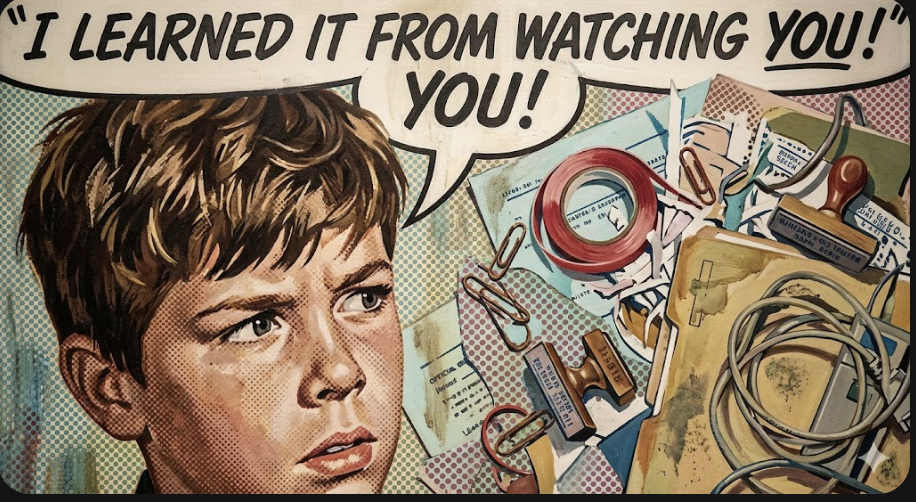
Trump Admin Spied on Everyone It Could Think of During Minnesota “Antifa” Crackdown
Welcome to Instrumental Toplines. What you need to know, why, and what you can look for next.
Jump to Section:
Suppression & Surveillance • Data Center News • Advocacy & Protest • The War Department • Climate & Environment • Politics & Elections • Messengers & Media • What the Right is Reading
Minnesota Reformer: Feds spied on protesters, left-wing organizations and unions during Metro Surge
By Madison McVan
What?
Homeland Security agents secretly recorded conversations, infiltrated Signal chats, and obtained financial records for labor unions and progressive groups as part of a wide-ranging surveillance effort during "Operation Metro Surge." This surveillance, dubbed "Operation Puppet Master" and "Operation Whipple Shield," involved undercover agents, AI facial recognition, and collection of personal information, as detailed in court documents filed by defense attorneys in a federal case against 15 Minnesotans.
So What?
This matters for progressive movements because it exposes alleged federal surveillance of First Amendment-protected activities, potentially chilling dissent and criminalizing activism. The use of administrative subpoenas for financial records and AI for dossiers against unions and advocacy groups without a clear criminal predicate raises significant concerns about civil liberties and governmental overreach.
WTF?
At a Sunrise Movement meeting, one undercover agent reportedly said he worked in construction and that he "could build items that might assist other groups with more ‘direct action’ protests."
Now What?
People should watch for the outcome of the federal case against the 15 Minnesotans and whether the defense attorneys successfully obtain the requested documents regarding the full scope of the surveillance operations. The legal challenges to the methods and extent of federal surveillance will be important to monitor for their implications on First Amendment protections.
The New York Times: U.S. Investigated Left-Leaning Groups During Minnesota Immigration Crackdown
By Alan Feuer and Ernesto Londoño
What?
The U.S. Department of Homeland Security launched an investigation in Minnesota targeting left-leaning political organizations, not the Border Patrol agents who killed a nurse, using invasive tactics like covert surveillance, group chat infiltration, and obtaining financial records for groups never accused of crimes. This inquiry, dubbed Operation Puppet Master and Project Whipple Shield, eventually led to the indictment of 15 individuals accused of interfering with law enforcement as "antifa" members, but cast a wide net over many groups engaged in protected First Amendment activities.
So What?
This matters for progressive movements because it shows federal agencies are using invasive surveillance and financial scrutiny against left-leaning organizations and unions, potentially chilling constitutionally protected political dissent and blurring the line between criminal investigation and targeting political opposition. This approach, which former prosecutors criticized for targeting groups for activities protected by free speech laws, could set a precedent for broader governmental intimidation of civil society.
Now What?
People should watch for the outcome of the criminal cases against the 15 indicted individuals and whether the defense's motion for more details will compel further disclosures about the extent and legality of the government's surveillance tactics. Further judicial rulings, such as those from Judge Katherine M. Menendez, could also clarify legal protections for protesters engaging in activities like monitoring federal agents.
Ms.: Detaining Families, Policing Pregnancy: Trump’s Immigration Crackdown on Women and Children
By Abby Wheatley
What?
The article details how the Trump administration has renewed family detention policies and issued new executive orders targeting birthright citizenship and "birth tourism" for women suspected of misrepresenting travel reasons. These actions expand a system that detains immigrant mothers and children, leading to incarceration, medical neglect, and lasting harm, and explicitly reinstated family detention centers in Texas in March 2025.
So What?
These policies are framed as anti-woman, anti-mother, and anti-family, designed to mass criminalize and incarcerate women and children by controlling their bodies and choices under the guise of border enforcement. This matters for progressive movements as it highlights systemic abuses against vulnerable populations, challenges civil liberties, and raises human rights concerns regarding detention conditions and the treatment of migrant families.
WTF?
Border Czar Tom Homan justified the deportation of a 4-year-old U.S. citizen with Stage 4 cancer, along with their mother, by stating that choosing to have a U.S. citizen child while undocumented "is not a get-out-of-jail-free card."
Now What?
People should watch for the continued expansion of family detention facilities, the impact of the new executive orders on birthright citizenship and visa denials for women, and the ongoing conditions and compliance with detention standards in facilities holding families and pregnant women.
Rolling Stone: Incarcerated for Life in Trump’s War on the Left
By Jack Crosbie
What?
Autumn Hill was sentenced to 50 years in prison following her conviction for riot, explosives charges, and "providing material support to terrorists" stemming from a 2025 protest at an ICE facility where another activist, Benjamin Song, shot a police officer after Hill had left. This severe sentence is presented as a leading example of the Trump administration's escalated legal war against alleged left-wing domestic terrorism, amplified by executive orders designating "Antifa" as a terrorist organization.
So What?
This case signals a concerning escalation in the criminalization of dissent, demonstrating how the government can apply terrorism statutes and narratives, even without direct evidence of violence, to severely punish activists associated with broad political philosophies. It creates a new class of political prisoners and aims to stifle protest activity and civic space by branding nearly any opposition as domestic terrorism.
WTF?
A defendant named Daniel Rolando Sanchez Estrada, who was not present at the protest, received a 30-year sentence for allegedly "concealing a document or record" when he moved a box of anti-fascist literature and files from his partner’s house to a friend’s apartment.
Now What?
People should watch for the continued expansion of these federal prosecution tactics, including RICO charges against "institutional and individual funders," to other cities and movements, and the deployment of new tools like AI to identify potential political extremists. The reach and application of NSPM-7 and similar directives in future cases against activists are critical to monitor.
The White House: Trump Executive Action Authorizes Private Companies to Go After "Cybercriminal"
By DONALD J. TRUMP
What?
A Presidential Memorandum directs federal agencies to establish a program allowing vetted private U.S. companies ("Participating Companies") to conduct "Cyber Surveillance Operations" and "Cyber Effects Operations" against foreign "Cyber-Enabled Transnational Criminal Organizations (CE-TCOs)" under the control and oversight of the Federal Government. This aims to leverage private sector innovation to combat cybercrime, fraud, and predatory schemes harming American citizens.
So What?
This memorandum signals a significant shift towards privatizing elements of national security operations by formally integrating private companies into offensive cyber activities under government direction. This could raise critical questions for progressive movements regarding accountability, civil liberties, potential for mission creep, and the ethical implications of using private entities for what are traditionally state-led intelligence and law enforcement functions, especially given the broad definitions of cyber operations.
WTF?
The memorandum explicitly lists the "Secretary of War" and the "Department of War" among the recipients of the memorandum and within the operational deconfliction framework, despite the department being abolished in 1947.
Now What?
People should watch for the establishment of the National Coordination Center (NCC) program and the appointment of its co-Executive Directors, the development of detailed operating procedures within 60 days, and the initial selection and vetting process for "Participating Companies." The first annual report on the program's status, due within 180 days, will also be a key indicator of its implementation and early activities.
Axios: EPA plan could reduce public scrutiny of Georgia data center air permits
By Thomas Wheatley
What?
A U.S. Environmental Protection Agency (EPA) proposal originating from the Trump administration aims to eliminate a federal requirement for public notice and comment on "minor-source" air permits. This change could reduce public scrutiny of diesel generators used by data centers in Georgia, allowing states to determine public participation rules.
So What?
This matters for progressive movements because it could significantly reduce transparency and public participation in environmental permitting processes, potentially weakening environmental protections and limiting civil society's ability to challenge pollution plans for industrial projects like data centers. It shifts control to state and local regulators, removing a federal mandate for public engagement.
WTF?
A Columbus Ledger-Enquirer review found 20 minor-source permits for diesel generators at data centers were approved in Georgia since January 2025, compared with only 17 approvals between 2014 and 2024.
Now What?
People should watch for the conclusion of the public comment period on the proposed rule change, which ends on August 21.
Semafor: US power demand to hit new highs on data center buildout
By Tim McDonnell
What?
US power demand is projected to reach new record highs in 2026 and 2027, primarily driven by the buildout of data centers, according to a federal forecast from the Energy Information Administration. This comes as Texas lowered its demand outlook after its governor implemented a moratorium on data center construction, and coal's share of power generation is expected to decrease significantly by 2027.
So What?
The projected surge in power demand from data centers highlights a critical intersection of technological expansion, environmental impact, and energy policy, while the accelerating shift from coal to renewables offers a mixed outlook for climate goals. Political interventions like state-level moratoria and probes into energy deals signal increasing governmental scrutiny over energy infrastructure and corporate influence.
WTF?
The agency lowered its demand outlook for Texas after the state’s Republican governor implemented a moratorium on data center construction last week.
Now What?
Future developments to watch include how other states respond to the escalating power demand from data centers and whether more governors intervene to limit power prices. Additionally, the outcome of California's probe into offshore wind buyout deals and the continued pace of renewable energy adoption will be key indicators of the evolving energy landscape.
Forbes: Data Center Moratoriums And The Rise Of Private Grids
By John Kostyack
What?
The article reports that while Texas Governor Abbott announced a moratorium on data center connections to the public ERCOT grid to assess impacts, this pause overlooks the tech industry's rapid shift to building private, "behind the meter" (BTM) gas-fired power plants for data centers. These private grids largely escape regulatory scrutiny, leading to significant public health and environmental consequences, and shift costs to ratepayers, taxpayers, and investors.
So What?
This matters for progressive movements because the unregulated proliferation of private gas-fired data center grids by the tech industry poses disproportionate public health risks to marginalized communities, undermines climate goals by increasing fossil fuel reliance, and shifts economic burdens onto public utility ratepayers and taxpayers. It highlights a critical regulatory gap that allows powerful corporations to bypass environmental and public interest protections.
WTF?
The article states that "Amazon had invested in what is likely to be the largest gas-fired power plant in U.S. history, to be built as a private grid for a data center complex in Texas’s Permian Basin called GW Ranch," with permits for 7.65 gigawatts, all with no public announcement.
Now What?
People should watch for whether policy makers and regulators will implement a pause on private grid development and enact new regulatory guardrails to address the public health, environmental, and financial impacts described in the article. The potential for private grids to eventually seek interconnection to public grids also requires watching to see how utilities and regulators prepare to protect ratepayers from cost-shifting.
The Intercept: Francesca Hong’s Loss in Wisconsin is a Win for AI Data Centers — for Now
By Jessica Washington
What?
Democratic Socialist Francesca Hong narrowly lost Wisconsin's Democratic gubernatorial primary to David Crowley, a surprise upset, despite her campaign focusing on a popular data center moratorium that Crowley explicitly denounced. Hong's defeat is a loss for the data center moratorium movement in Wisconsin, where Crowley only supports more regulation rather than a pause on construction.
So What?
Francesca Hong's defeat represents a setback for the anti-data center moratorium movement in Wisconsin, yet the article suggests this issue is a rising, motivating force for voters nationwide, propelling other progressive candidates to victory. This indicates that while one battle was lost, the broader fight against data center expansion is gaining traction and shaping progressive political strategy.
WTF?
The race became dominated in the final days by inane issues like whether Hong believed that Thanksgiving should exist, based on old tweets criticizing the holiday.
Now What?
Despite Francesca Hong's loss, watch for the anti-data center movement to continue fueling insurgent progressive candidates nationwide, as the issue proves to be a powerful motivator for voters. In Wisconsin specifically, observe whether data centers become a 'peripherally' discussed issue under David Crowley, who favors regulation over a moratorium, and how the broader movement adapts to this local setback.
Yahoo Finance: Here's the biggest risk to America's data center building boom
By Brian Sozzi
What?
The article states that the primary risk to America's data center building boom is a shortage of skilled labor, specifically mechanical, electrical, and plumbing (MEP) workers, according to Bernstein analyst Chad Dillard. These workers are needed to construct facilities that will power AI ambitions, but the existing labor pool is insufficient due to qualification gaps, geographic mismatches, and competition from other construction projects.
So What?
This highlights a critical labor market failure in the "essential economy," where crucial infrastructure development is hampered by a lack of skilled workers and training bottlenecks. For progressive movements, it underscores the need for investment in vocational training and addressing the stigmas around skilled trades to ensure equitable access to high-paying jobs and robust infrastructure.
WTF?
Mike Rowe noted that electricians he recently interviewed at a data center were "all under 30 years old, all making $240,000 to $280,000 a year, all with as much overtime as they want, none with any debt, all three of whom were poached three times in the prior 18 months."
Now What?
Based on this article, people should watch for whether labor productivity improves or if data centers begin to take a significantly greater share of workers from other construction sectors. Additionally, the impact of efforts to overcome stigmas and increase training for skilled trades will be important to observe.
SELC: Amazon and Duke Energy attempt to dodge clean air requirements for $10 billion data center
By SELC Staff
What?
Amazon and Duke Energy have filed separate state air permit applications for a combined 649 diesel-fired generators for a $10 billion data center in Hamlet, North Carolina, which the Southern Environmental Law Center (SELC) claims is an attempt to evade stricter Clean Air Act requirements by understating the project's overall pollution impact. SELC has filed comments with the North Carolina Department of Environmental Quality, calling on regulators to crack down on the companies' attempt to skirt clean air protections.
So What?
This situation highlights how powerful corporations may use permit loopholes to bypass environmental regulations, potentially setting a precedent for future energy-intensive developments and disproportionately impacting vulnerable fenceline communities with harmful diesel pollution. The outcome could determine how North Carolina manages the environmental impact of a growing number of data centers across the state.
WTF?
The most striking detail is that "One of the wealthiest companies in the world can and should do better than trying to evade critical air quality protections for a whopping 649 diesel-fired generators."
Now What?
State regulators in North Carolina will now determine whether the project can move forward under the proposed permits, and their decision will set an important precedent for how the state manages the increasing number of energy-intensive data centers.
Harvard Magazine: Forecasting Data Centers’ Demand
By Laurel M. Shugart
What?
Harvard researchers Francesca Dominici and Le Xie are developing a framework to predict the energy and health impacts of proposed data centers before their locations are finalized. This project aims to provide policymakers, developers, and communities with an interactive toolkit to assess the costs to the electrical grid, air quality, and nearby residents from these facilities, especially the booming hyperscale data centers for AI.
So What?
This initiative is significant for progressive movements as it seeks to provide transparent, scientific data to communities and regulators, empowering them to make informed decisions about data center siting that considers environmental justice and public health. By bridging knowledge gaps between various stakeholders, it could lead to more equitable and sustainable development outcomes for a highly contentious issue.
WTF?
It is often much harder to track down the energy use and emissions from data centers that are built “behind the grid,” using private generators, rather than drawing from the regional grid.
Now What?
People should watch for the further development and eventual release of the researchers' interactive toolkit, designed for developers, utilities, and local leaders to plan future data center sites, especially its ability to provide granular impact estimations by zip code.
Environment+Energy Leader: The Power Risk Hidden Inside Data Center Leases
What?
Enterprise tenants signing "all-in" data center colocation leases may be taking on more electricity risk than initially appears, as SEC filings show that these contracts often contain mechanisms to pass utility cost increases from the operator to the customer. Utilities are increasingly introducing new tariffs and infrastructure requirements for large data center loads, shifting financial exposure to future costs onto enterprise tenants even in agreements intended to be fixed.
So What?
This matters for progressive movements because it highlights a hidden financial burden on enterprises, potentially impacting their budgets for other initiatives and giving them limited control over the sourcing decisions behind their power consumption, which has a sustainability dimension. It exposes how contractual mechanisms can transfer significant financial risk from large operators to client businesses, affecting economic stability and accountability for energy practices.
WTF?
Csquare, Inc.'s 2026 SEC filing states that substantially all of its "all-in" data center contracts, representing 70.6% of its portfolio recurring revenue, still contained mechanisms allowing power costs to move to customers.
Now What?
Enterprises should conduct more thorough diligence on the power provisions of data center leases, specifically examining how future utility costs and regulatory changes are allocated. People should watch for whether power terms become a more central part of the underwriting process for these agreements, moving beyond just initial quoted rates.
Latitude Media: Is the utility-data center honeymoon over?
By Bianca Giacobone
What?
Nevada utility NV Energy has sued data center developer Tract, alleging Tract is seeking "special treatment" for power allocation and rates and attempting to keep the dispute out of public view through private arbitration. This marks a new phase where utilities are suing data center developers directly, signaling an end to a previously collaborative relationship.
So What?
This development indicates a potential shift in how the massive energy demands of the AI boom are handled and who bears the costs, which could impact consumer rates and public oversight of infrastructure decisions. The move towards private arbitration by data centers could limit public accountability for resource allocation and environmental impacts.
WTF?
Tract's request for private arbitration to keep the power allocation and rates dispute out of public view, which NV Energy says is not allowed.
Now What?
People should watch for the outcome of the NV Energy lawsuit against Tract, as well as similar legal actions between utilities and data centers, as the article anticipates more such cases. The ongoing debate over who pays for the AI infrastructure buildout and the terms of power agreements will be a key area to monitor.
WVUE: Louisiana PSC allows Meta to keep Richland Parish data center details confidential
By Jennifer Crockett
What?
Louisiana utility regulators voted 3-1 to allow Meta to keep details about its planned Richland Parish data center, including job creation and energy use, confidential. This decision overrules an administrative law judge who had subpoenaed Meta for the information, which was sought for an upcoming trial regarding Entergy’s proposal for $13 billion in new power plants to support the facility.
So What?
This matters for progressive movements as it highlights a lack of transparency from powerful corporations and regulatory bodies regarding significant public infrastructure investments and potential ratepayer burdens. It also demonstrates how corporate interests can override judicial process and public calls for accountability, leaving residents vulnerable to increased costs without adequate information.
WTF?
The Louisiana Public Service Commission's decision overrules an administrative law judge who had subpoenaed Meta for the data, and Meta refused to comply, stating the details were confidential and would disclose trade secrets.
Now What?
People should watch for the PSC meeting again in October for the trial to determine whether Entergy’s proposed power plants for Meta will move forward, with a decision expected by December. The article implies that the lack of critical information about Meta's project will likely persist during these deliberations.
Risk & Insurance: Data Center Boom Fuels Rising Fire, Water And Business Interruption Losses
By R&I Editorial Team
What?
An Allianz Commercial report indicates fire drives the majority of insured data center loss severity, accounting for over 50% of nearly $800 million in claims, despite water damage being the most frequent cause. This trend is fueled by the AI-driven infrastructure buildout, increasing construction complexity, integration of lithium-ion batteries, and growing natural catastrophe exposure.
So What?
The increasing frequency and severity of data center losses, including from climate risks and operational failures, highlight the growing fragility of critical digital infrastructure that underpins public services and various sectors. This vulnerability could lead to widespread service disruptions, increased costs, and potential legal disputes, impacting the reliability of essential digital tools for progressive movements and civil society.
WTF?
A senior risk engineer compared the practice of integrating lithium-ion batteries directly into server racks to “letting the fox into the henhouse,” noting damaged cells “can remain dormant for days or weeks before a defect surfaces.”
Now What?
People should watch for the continued rise in data center insurance costs and claims, the impact of climate-related hazards on data center operations and insurability, and how new design and power solutions address fire risks from integrated lithium-ion batteries.
By Alexis Thacker
What?
A Massachusetts citizen filed an initiative petition to require two-thirds local voter approval and specific conditions like utility cost-shielding and water-supply certification for data center permits. This proposal, filed for the November 2028 election, is the second statewide initiative addressing data centers, following a similar measure in Ohio.
So What?
This initiative signifies a growing progressive push for community control and environmental responsibility over large-scale corporate infrastructure, specifically data centers, which can strain local resources and utility costs. It reflects a broader trend where citizens and even state officials are challenging unchecked corporate development and previous tax incentives, seeking to prioritize community well-being.
WTF?
In 2026, Gov. Maura Healey (D) announced a pause on data center sales tax exemption applications, stating, "I am halting any tax incentives for data centers until we have strong protections in place for our residents and communities against higher gas and electric bills," despite the Massachusetts General Court creating such exemptions in 2024.
Now What?
People should watch for the Massachusetts Attorney General’s office to announce by Sept. 2 if the initiative petition meets state requirements, and if approved, the sponsors' effort to collect 74,574 signatures to advance it to the November 2028 ballot.
WTOC: ‘Water done right’ for Effingham County OpenAI data center
By Steven Glover
What?
Effingham County leaders are launching a social media campaign to reassure residents that OpenAI’s planned data center will not deplete the county’s water supply, citing plans to draw from treated surface rivers and utilize a closed-loop cooling system. However, the Savannah Riverkeeper warns of concerns regarding periodic chemical drainage, water needed for power generation, and stormwater runoff.
So What?
This article highlights the ongoing tension between large-scale technological development and environmental sustainability, particularly concerning crucial natural resources like water. It demonstrates how local governments and corporations frame their projects to the public while environmental advocates raise critical questions about long-term impacts and corporate responsibility.
WTF?
OpenAI claims that after initial filling, the Georgia campus is expected to have ongoing water needs comparable to a typical office building with the same number of employees, primarily for restrooms, kitchens, cleaning, sanitation, and maintenance.
Now What?
People should watch for further details on the specific disposal methods for chemical-laced drainage fluids, information regarding the water demands of the new power source required for the data center, and the concrete plans for managing stormwater drainage and runoff on-site.
VanEck: How Do You Invest in the AI Value Chain?
By Louise Gedney
What?
The article details a four-layered approach to investing in the AI value chain—building chips, powering data centers, housing infrastructure, and applying AI—and presents VanEck's exchange-traded funds (ETFs) as options for each layer. It emphasizes that AI investing extends far beyond chip stocks into energy, materials, and physical infrastructure, projecting trillions in capital spending by 2030.
So What?
This article reveals the immense scale of the AI industrial buildout, projecting $5.2 trillion to $7.9 trillion in data center spending by 2030 and a near-tripling of U.S. data center power demand by 2030, with nuclear power emerging as a "preferred baseload energy source." This indicates significant shifts in energy consumption, resource allocation, and potential environmental impact that will require close monitoring and advocacy from progressive movements.
WTF?
A single gigawatt-scale AI training facility can draw the electricity of ~800,000 homes, and hyperscalers are building many at that scale.
Now What?
Based on the article's projections, people should watch for the continued rapid escalation of capital spending on AI infrastructure, the increasing demand for energy (particularly nuclear power), and the expansion of data centers, as these trends will drive significant changes in power grids and resource markets.
Latitude Media: Is the utility-data center honeymoon over?
By Bianca Giacobone
What?
Nevada utility NV Energy has sued data center developer Tract, alleging Tract is seeking "special treatment" for power allocation and rates and attempting to keep the dispute out of public view through private arbitration. This marks a new phase where utilities are suing data center developers directly, signaling an end to a previously collaborative relationship.
So What?
This development indicates a potential shift in how the massive energy demands of the AI boom are handled and who bears the costs, which could impact consumer rates and public oversight of infrastructure decisions. The move towards private arbitration by data centers could limit public accountability for resource allocation and environmental impacts.
WTF?
Tract's request for private arbitration to keep the power allocation and rates dispute out of public view, which NV Energy says is not allowed.
Now What?
People should watch for the outcome of the NV Energy lawsuit against Tract, as well as similar legal actions between utilities and data centers, as the article anticipates more such cases. The ongoing debate over who pays for the AI infrastructure buildout and the terms of power agreements will be a key area to monitor.
By Sarah Holzmann
What?
The article explains that "phantom" data center projects—those announced but never built or grossly exceeding feasible capacity—are making it impossible to accurately forecast AI-related power demand. Grid operators and utility planners cannot distinguish real projects from these non-materializing announcements, leading to unreliable projections for energy infrastructure.
So What?
This unreliability in forecasting AI power demand poses challenges for progressive movements concerned with infrastructure planning, energy policy, and consumer costs, as anticipated data center loads are already driving up household electricity prices faster than overall inflation. Without accurate data, effective advocacy for sustainable and equitable energy solutions is severely hampered.
WTF?
"Grid operators don't know which ones are real and which ones aren't."
Now What?
People should watch for the narrowing gap between announced phantom capacity and physically deliverable capacity, which is not expected before 2028, as reliable forecasting remains impossible until then. Additionally, monitoring household electricity prices and the impact of skilled labor shortages on project realization will be important next steps.
Dallas Express: Google, Rowan And CleanSpark Commit To Texas Data Center Standards Under Gov. Abbott
By Tiffany Chartier
What?
Google, Rowan, and CleanSpark have committed to comply with new Texas standards for data centers, which require them to provide information on electricity, water, infrastructure costs, and community impact to the Public Utility Commission of Texas (PUCT) and the Electric Reliability Council of Texas (ERCOT) before projects can proceed. This commitment follows Gov. Greg Abbott's directive to ensure data centers do not burden the electric grid, water resources, or communities.
So What?
This matters for progressive movements because it highlights a governmental attempt to regulate rapidly growing industries like data centers to address environmental concerns (water and electricity demand), infrastructure costs, and local community impacts, potentially setting a precedent for similar regulations in other sectors. The focus on transparency regarding taxpayer incentives and costs aligns with calls for accountability in corporate development.
WTF?
The announcement comes less than a month after a proposed East Texas data center withdrew after determining it could not meet the new standards.
Now What?
People should watch for the review process by the PUCT and ERCOT, as they must audit the required information from these companies before projects can move forward, and companies that fail to comply can have approval denied.
Liberty Human Rights: The ‘chilling effect’ on climate protest as temperatures soar across the UK
What?
Campaign groups and the human rights organization Liberty warn that successive UK Government clampdowns, through acts like the Police, Crime, Sentencing and Courts Act 2022, the Public Order Act 2023, and the Crime and Policing Act 2026, have created a "chilling effect" on climate protest. These laws impose new restrictions and harsher sentences, making it difficult for climate activists to participate in direct action as the UK experiences severe heatwaves and drought.
So What?
This matters for progressive movements because the article argues that protest is critical to a healthy democracy and for driving political action on urgent issues like climate change. The described legislative crackdown directly hinders the capacity of civil society and advocacy groups to mobilize, raise awareness, and pressure the government for change.
WTF?
In July 2024, five Just Stop Oil activists were initially sentenced to four to five years for conspiracy to cause a public nuisance after discussing an M25 protest on Zoom.
Now What?
People should watch for whether the new Prime Minister "changes course" from previous governments regarding protest laws and for the publication and recommendations of Lord Macdonald’s Independent Review of Public Order and Hate Crime Legislation.
The Guardian: Anger after Trump’s secret flight swap appears to offer up staff and media as decoys
By Martin Belam
What?
Democrats are demanding a congressional briefing after Donald Trump was secretly moved to a different plane, via a catering truck, following an alleged credible threat from Iran. Over a hundred aides, officials, and reporters were kept on the original Air Force One, which flew towards Britain, reportedly without being told they were in danger and potentially serving as decoys.
So What?
This incident raises serious ethical and security concerns regarding the treatment of government staff and media, and could erode public trust in leadership's transparency and commitment to the safety of those serving the country. The alleged use of over a hundred individuals as unknowing decoys for the president underscores a potential disregard for human life and professional responsibility.
WTF?
The president reportedly boarded the old Air Force One jet in view of television cameras, and then was secretly shuttled minutes later to a smaller plane via an airport catering truck.
Now What?
People should watch for the outcome of the Democrats' demand for a congressional briefing regarding this incident. Further details or investigations into the alleged plot, the security decisions made, and the well-being of the staff and media involved will likely emerge.
By Jim Dickey
What?
The article explains that the Atlantic hurricane season, which runs from June to November, can be viewed as a "three-course meal," with the "main course" of storm activity occurring from August through October. During this period, nearly 80% of storms form, and all known local hurricane landfalls happen due to ideal conditions like warm sea temperatures and low wind shear.
So What?
This matters for progressive movements because it highlights a predictable and intense period of natural disaster risk, demanding proactive community preparedness and equitable resource allocation. Understanding these patterns is crucial for advocating for climate resilience and supporting vulnerable populations ahead of peak storm activity.
WTF?
The article states, "Every known hurricane to make landfall locally did so either August, September, or October."
Now What?
People should watch for a significant increase in tropical storm and hurricane activity, including potential landfalls on the Gulf Coast, specifically from August through October. Communities should prepare for the "main course" of the hurricane season and follow forecasts from local weather teams.
Current Affairs: The Gargantuan Lie That is Collapsing The World’s Climate
By Adam McKay
What?
The article claims that a "gargantuan lie" that "we have more time" to address climate change, perpetuated by institutions, media, and leaders, is driving humanity toward "full social collapse" and the death of billions "within years." It asserts that the planet has already exceeded 1.5 degrees Celsius planetary warming for the past three years, likely for the first time in over 100,000 years, and is heading towards 2 degrees Celsius, which would end the stable Holocene climate.
So What?
This matters for progressive movements because it frames complacency about climate change as a "monstrous, misshapen garden colossus lie" perpetuated by the ruling class, mainstream media, and corporations, actively hindering urgent action. It provides a strong argument for advocates to challenge delayed climate targets and narratives that downplay the immediate threat, emphasizing that societal collapse is imminent.
WTF?
"For some badly-needed context, the last three years, likely for the first time in over 100,000 years, have averaged above the Paris Accords’ “do not cross” 1.5 degrees celsius planetary warming."
Now What?
People should watch for the continued spread of the "we have more time" narrative, particularly "Net-zero by 2050" promises and the downplaying of current temperature records by mainstream news. They should also monitor for the predicted "agricultural failure and food shortages" next year as global warming approaches 1.7 degrees Celsius.
The Washington Post: A British firm starts containment of oil spill from stricken tanker off Oman
By Sarah El Deeb
What?
A British maritime company, Ambrey, has been hired to salvage the grounded Russian "shadow fleet" tanker Caroline Bezengi off Oman's coast to contain an oil spill. The spill has spread exponentially over hundreds of square kilometers, threatening a marine protected area and reaching the Omani shoreline following an explosion of unclear cause in early June.
So What?
This incident underscores the severe environmental and economic risks associated with "shadow fleet" tankers, which often lack clear flag states or insurance, complicating liability and cleanup. The extensive oil spill threatens critical marine biodiversity and coastal livelihoods, highlighting the urgent need for international accountability and robust response mechanisms for such ecological disasters.
WTF?
While Iran claimed it should receive compensation for cleaning up an oil spill off its coast, maritime tracking firm TankerTrackers.com posted satellite images suggesting the spill was caused by an Iranian attack on a bulk container ship off of Oman, which then drifted across the strait to Iran.
Now What?
People should monitor the progress of Ambrey's salvage operation, given the challenging monsoon conditions and remote location, and watch for any estimates on the operation's timeline and cost. Further developments regarding the investigation into the cause of the Caroline Bezengi's explosion and identification of responsible parties for the "shadow fleet" tanker's operations are also crucial to observe.
The Guardian: Trump officials again urge US supreme court intervention on mail ballots
By Reuters
What?
The Trump administration again asked the US Supreme Court to intervene to implement the president’s executive order restricting mail-in ballots, specifically requesting the justices to put on hold a district judge's decision that blocked nationwide enforcement of these tighter rules. This action comes ahead of the November midterm elections, with the administration also asking the Supreme Court to lift an earlier related decision.
So What?
This matters for progressive movements because it represents an attempt by the executive branch to restrict voting access, which directly contradicts efforts to expand enfranchisement and ensure fair elections. The move is rooted in what the article describes as a "false claim" about the 2020 election, highlighting ongoing challenges to democratic processes and state authority over elections.
WTF?
Trump signed his executive order in March after years of calling for restrictions on voting by mail and pushing the false claim that his 2020 election defeat was the result of widespread voter fraud.
Now What?
People should watch for the Supreme Court's decision on the administration's request to pause the lower court rulings, as this will determine whether the executive order's restrictions on mail-in ballots can be implemented nationwide before the November midterm elections.
TIME: What Trump’s Executive Order Could Mean for Childhood Vaccines
By Dominique Mosbergen
What?
President Donald Trump signed an executive order on August 10, 2026, which calls for fewer childhood vaccines, urges states to reconsider school vaccine requirements, directs the Department of Justice to sue states lacking religious/medical exemptions for mandates, and orders the MMR shot to be split. Legal scholars and medical experts say the order lacks the legal power to directly change federal vaccine schedules, but it could pressure states and increase vaccine hesitancy.
So What?
This executive order, despite its questionable legal authority, matters for progressive movements as it actively undermines public health by promoting anti-vaccine sentiment and could lead to weakened state-level vaccine mandates, potentially increasing the spread of preventable diseases like measles. It challenges established scientific consensus and puts vulnerable populations at risk, especially with measles cases at a 35-year high.
WTF?
Trump claimed, without evidence, that children receive vaccines the size of a "bottle of soda," when shots contain no more than a teaspoon of liquid.
Now What?
People should watch for whether CDC Director Dr. Erica Schwartz attempts to act on the executive order, potential legal challenges if the CDC tries to change the immunization schedule without ACIP involvement, and how the Department of Justice may intervene in state-level lawsuits regarding vaccine exemptions.
Los Angeles Times: Inside David Ellison’s desperate fight for Warner Bros.
By Meg James
What?
Paramount Skydance CEO David Ellison is engaged in a "desperate fight" to complete his company’s $111-billion acquisition of Warner Bros. Discovery, which is imperiled by an antitrust lawsuit from California Atty. Gen. Rob Bonta and 11 other state attorneys general. In response, Ellison is considering moving Paramount’s operations and headquarters from Los Angeles to Tennessee or Texas.
So What?
This situation matters for progressive movements as it showcases a major corporation's attempt to use economic leverage, including potential job relocation, to pressure state officials and circumvent an antitrust lawsuit challenging a massive media merger. It highlights the ongoing struggle against corporate consolidation and the role of progressive attorneys general in protecting competition and local economies.
WTF?
Despite Ellison's recent high-profile essay extolling his love for movies and Hollywood, he is now "talking about uprooting two historic companies and moving them 2,000 miles away in order to avoid a lawsuit."
Now What?
People should watch for the outcome of the antitrust lawsuit's March 2 trial, any potential settlement negotiations, and whether Paramount actually proceeds with its plans to relocate its operations and sell its historic studio lot. It will also be important to observe how California politicians, particularly Gov. Gavin Newsom and gubernatorial nominee Xavier Becerra, respond to the threat of Paramount leaving the state.
By Ariel Zilber
What?
Wall Street's support for "net zero" climate initiatives has reportedly collapsed as major US banks and money managers withdrew from environmental coalitions. According to a new study, all six major US banks have quit the Net Zero Banking Alliance, leading to its effective end as a membership organization, and overall support for "net zero" causes plunged nearly 90% over the past four years.
So What?
This reported collapse of Wall Street's "net zero" climate push signifies a major setback for efforts to align the financial sector with climate goals. It suggests a weakening of corporate commitment to environmental sustainability and could complicate progressive movements' advocacy for climate action through financial institutions.
WTF?
One of the report's authors stated, "The politics got them into these groups… Physics and economics got them out."
Now What?
Based on the report, people should watch for more financial firms to reconsider their remaining climate affiliations as competitors continue to withdraw, indicating a potential ongoing trend away from such commitments.
Washington Examiner: Dutch court puts Greenpeace on notice, strengthens US energy security
By Kevin L. Kearns
What?
The article, an op-ed, argues that a Dutch court ruling against Greenpeace, which upheld Shell's right to conduct seismic surveys off the coast of South Africa, is a victory for common sense and could bolster U.S. energy security. The author asserts that this decision is a pushback against "climate litigation" and environmental activism aimed at hindering the oil and gas industry.
So What?
This op-ed articulates a narrative that portrays environmental activism and climate litigation as threats to national energy security, providing a framework that progressive movements advocating for climate action may increasingly encounter. It illustrates how specific international legal outcomes can be interpreted and leveraged to support arguments for continued fossil fuel production and against environmental challenges.
WTF?
The op-ed claims that the "radical wing of the environmental movement has shown itself willing to threaten economic prosperity and national security."
Now What?
People should watch for how this narrative, which links environmental activism to threats to national security and energy stability, is further utilized in political discussions and legal strategies to counter climate action and support fossil fuel interests.